
Pharma Development
Better development decisions begin with better biological evidence
Discuss your programSee functional protein biology that conventional protein measurement strategies can miss, so high-stakes development decisions are grounded in more complete biological evidence.
Despite unprecedented amounts of genomic, transcriptomic, and targeted assay data, many critical development decisions are still being made with incomplete biological visibility.
That incomplete biological view creates risk across critical development decisions, such as:
- Is the intended mechanism occurring?
- Which target or hypothesis should advance?
- What explains response and resistance?
- Which biomarkers should move forward?
- Which patients should be selected or enriched?
Common blind spots that can leave teams with partial biological evidence
Assay-scope blind spot
Biological-context blind spot
Deliver more complete biology at every development decision with Proteograph® ONE

Breadth to discover
Resolution to reveal

Scale to connect
Blood-based discovery
Download more information about how Proteograph® technology measures biology more broadly
User studies show how deeper biological visibility with the Proteograph® Product Suite strengthens development decisions
Target Discovery
Preclinical
Translational
Clinical Development
Where in your development program would better biological evidence reduce uncertainty?
Oncology Development
Critical functional biology can remain hidden across tumor, immune, stromal, vascular, and host systems, even within data-rich oncology programs.
When that biology remains out of view, decision uncertainty increases.
Deep, unbiased proteomics connects signals across those systems to strengthen target, mechanism, response, biomarker, and patient-selection decisions.
What kinds of oncology questions can be answered through deep, unbiased proteomics?
Selected Proteograph User Studies
What deeper oncology biology has already revealed.
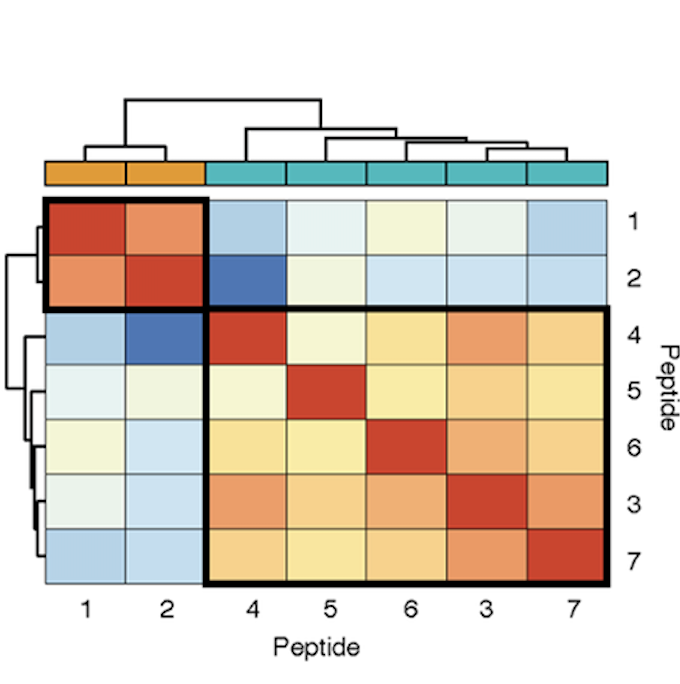
PROTEOFORM ANALYSIS
Disease-associated isoforms
Distinct BMP1 isoforms are differentially expressed and associated with NSCLC.
PLoS ONE, 2023
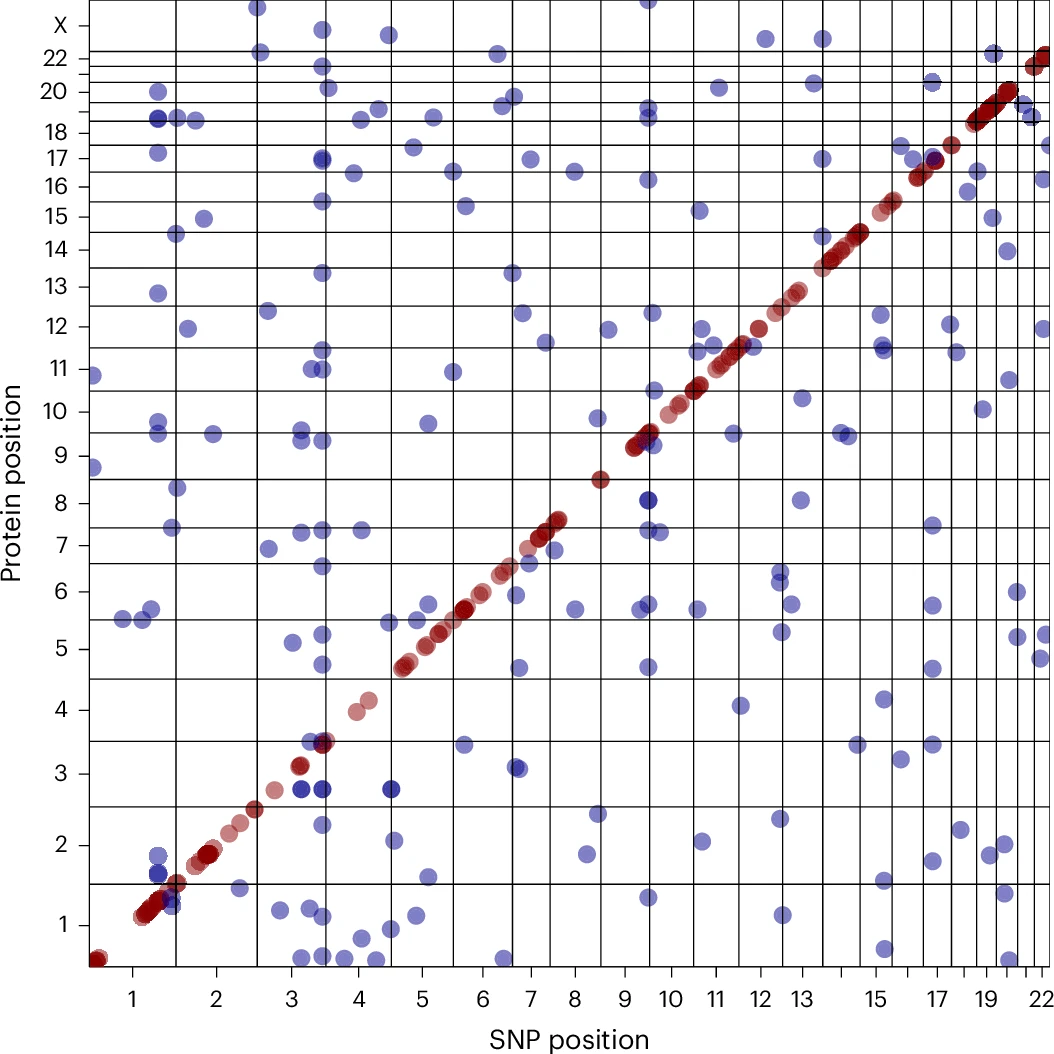
GENETIC SIGNAL VALIDATION
pQTL biology at scale
Large-scale pQTL analysis identifies protein-coding effects and refines prioritization of target biology.
Nature Genetics, 2025
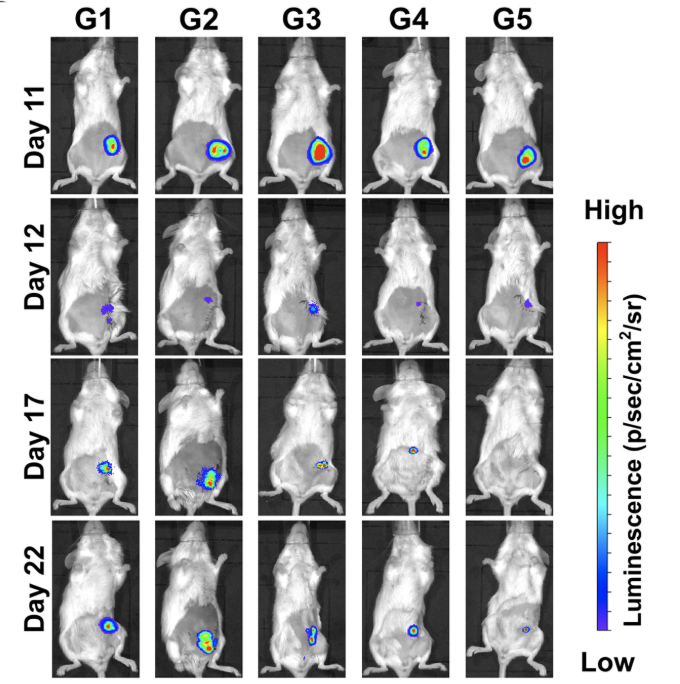
TUMOR-HOST BIOLOGY
Tumor-host response
Plasma proteomics reveals systemic responses and pathways associated with cancer therapies.
Cell Biomaterials, 2025
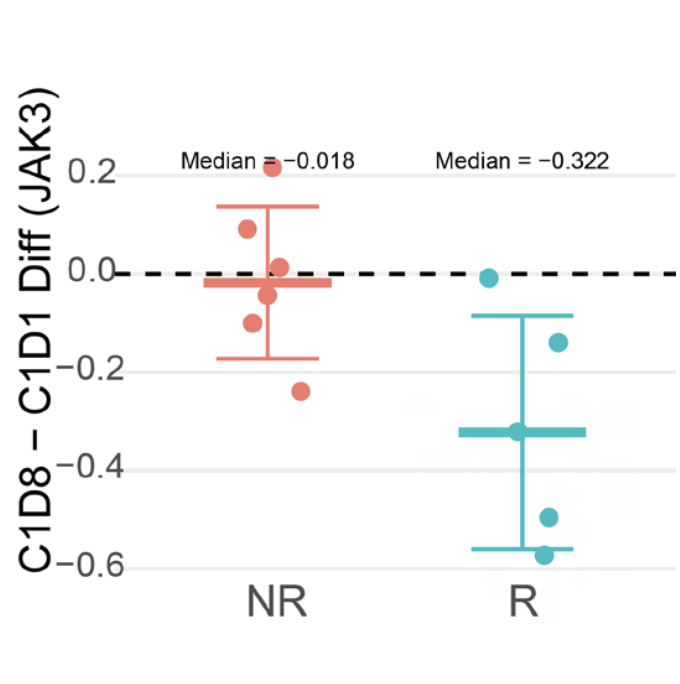
IMMUNO-ONCOLOGY
IO response & resistance
Baseline protein signatures correlate with response to immune checkpoint blockade combination therapy.
Proteograph Case Study
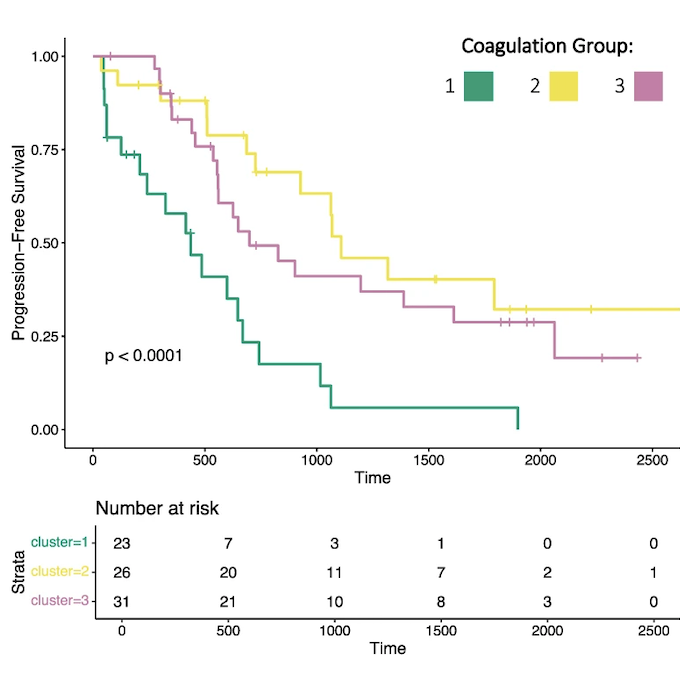
PROGNOSTIC STRATIFICATION
Risk stratification
Proteomic risk scores improve patient survival classification beyond clinical and genetic features.
Clinical Proteomics, 2025
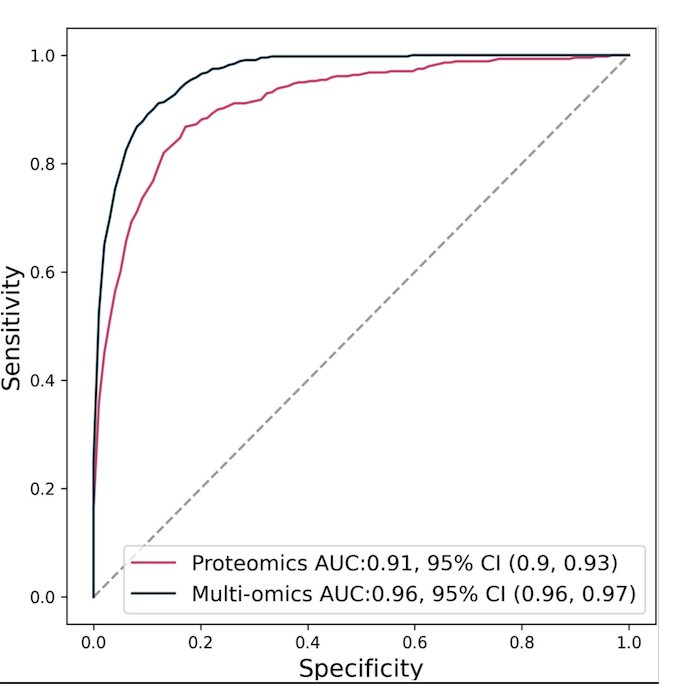
EARLY DETECTION
Biomarker modeling
Unbiased plasma proteomics enables improved detection models for early stage lung cancer.
medRxiv, 2024

Starting your proteomics research is effortless
Connect with an expert to discuss which path to the full proteome is right for you.
-
Bring the Proteograph Product Suite in-house
-
Run a project with
Seer Technology
Access Center -
Conduct a project with
a Seer service provider
or Center of Excellence